
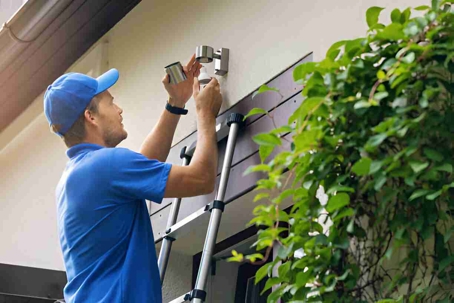
Hanging Christmas lights ranks among the happiest traditions during the holiday season. The beautiful lighting on your house creates a vibrant atmosphere, making passersby and visitors joyful. The process leading to a magical outcome requires careful execution since mistakes can create potential dangers for those who underestimate the risks. Small mistakes during Christmas decorating, involving wires and overloaded circuits, can transform a pleasant experience into a stressful or even dangerous situation.
The following guide helps in avoiding common mistakes when hanging Christmas lights and shows how to achieve the best results right from the beginning.
Avoiding Common Mistakes When Hanging Christmas Lights
1. Skipping the Planning Stage
People typically fail when they start working without a structured plan. Such unprepared approaches result in uneven displays, lights that fail to reach roof edges, and insufficient supply distribution.
What to do instead:
First, measure the size of the areas of your home that require Christmas lights and calculate the length of electrical cords needed. Quick planning through sketching is a wise step. These steps guarantee that you order the appropriate number of lights, preventing unexpected issues during the project.
2. Using Indoor Lights Outside
Lights designed for intense weather conditions are not universal since not every type can endure cold temperatures combined with winds and water. Using indoor lights outside your house creates a safety risk and a serious mistake.
What to do instead:
Always check the label. Search for lights that display “outdoor” or “weatherproof” markings to verify suitable usage. Outdoor lights feature improved insulation and sealed components to withstand harsh winter weather.
3. Overloading Electrical Circuits
Plugging too many lights into one outlet or connecting too many light strands will overdraw circuits until they trip breakers or can cause fires.
What to do instead:
The number of connected strands follows manufacturer guidelines, which normally allow 3 to 5 strands. For safety, distribute power usage across various outlets using waterproof extension cords and power strips designed for outdoor use. You should always err on the side of caution by reducing the number of strands plugged into each connection.
4. Using Metal Fasteners
Attempting to secure lights with staple guns or metal nails can create a risk of electrical short circuits and fire hazards because these fasteners can puncture wires.
What to do instead:
You should attach your lights using plastic light clips, gutter hooks, and adhesive-backed hangers. These provide the necessary secure attachment without harming wires or your home.
5. Hanging Lights in Bad Weather
Hazards arise when hanging lights during wet, windy, or icy conditions. The combination of slippery surfaces along rooftops and ladders raises serious risks of falling accidents and injuries.
What to do instead:
Hanging your lights should happen on a dry day without wind or turbulent weather. Dress in warm clothing, wear proper footwear with quality grips, and perform all tasks at your own pace. Safety should always come first.
6. Not Testing Lights Before Hanging
You finish the intricate lighting installation process to discover half of your decorations remain unlit. This popular annoyance presents itself when proper prevention is applied.
What to do instead:
After completing the installation, check all strands by plugging them in. Inspect your lights for bulbs with burned-out elements, frayed wires, and lights that flicker. Before starting your decoration setup, check and swap out broken lighting sets or bulbs.
7. Forgetting a Timer
Continuous power usage and exposure to light diminish the lifespan of your bulbs and waste energy needlessly.
What to do instead:
A timer provides automatic control to turn lights on when it gets dark and switches them off according to your schedule. The design remains straightforward while power consumption stays at a minimum level. Timers help maintain a consistent display appearance each night.
8. Blocking Walkways with Cords
Extension cords used across sidewalks or driveways pose a significant tripping hazard that is particularly pronounced in low-visibility areas.
What to do instead:
Pull extension cords behind plant edges or hide them securely beside the house foundation. When extension cords must run across walkways, use protective covers or thick adhesive tape and attempt to keep them away from water accumulation or snow whenever possible.
9. Ignoring Safety Gear
The absence of proper support during ladder use or chair standing can result in dangerous accidents.
What to do instead:
Position your ladder on flat terrain with a sturdy base. Request someone to stabilize the base for better security. Reach no further than the distance your arm can stretch, and avoid leaning to one extreme side. Always move the ladder instead.
10. Leaving the Lights Up Too Long
Hanging holiday lights for months at a time can damage light fixtures and the exterior of your home.
What to do instead:
If possible, remove all holiday lights soon after New Year’s Day. Organizing your lights after the holidays benefits your home’s appearance and protects them for upcoming seasons.
Final Thoughts
The seasonal charm of Christmas lights requires proper preparation to avoid common mistakes during installation. Simple precautions during planning, proper material selection, and essential safety measures will protect you from holiday-related accidents and minimize frustration.
Following these basic preventative measures will create a residence that sparkles and brings joy to your household and your neighbors during the holiday season. Start by acquiring your materials and implementing smart lighting installation methods to unlock the delightful magic of properly decorated holiday lights.